Carnatic Instruments
Veena, violin, flute, keyboard and miruthangam. Explained in English and Tamil.
Classes are on Sundays at Wembley High Technology College, East Lane, North Wembley, HA0 3NN, as part of London Tamil Centre Tamil School (Registered Charity 1018333).
Instrument lessons are on Sundays from about 11.15am to 1.15pm (one-hour slots). Pupils may take up to two Fine Arts subjects. Most instruments follow the Academy of Fine Arts (London) syllabus; keyboard follows ABRSM. New students usually join a beginners class in September; anyone who has already trained elsewhere takes a placement assessment.
இசைக்கருவி வகுப்புகள் ஞாயிற்றுக்கிழமைகளில் சுமார் காலை 11.15 முதல் 1.15 மணி வரை (ஒரு மணி நேரப் பிரிவுகளில்) நடைபெறும். ஒரு மாணவர் அதிகபட்சம் இரண்டு நுண்கலைப் பாடங்களை எடுக்கலாம். பெரும்பாலான கருவிகள் Academy of Fine Arts (London) பாடத்திட்டத்தைப் பின்பற்றுகின்றன; கீபோர்டு ABRSM பாடத்திட்டத்தைப் பின்பற்றுகிறது. புதிய மாணவர்கள் பொதுவாக செப்டம்பரில் தொடக்க வகுப்பில் சேர்கின்றனர். ஏற்கனவே வேறு இடத்தில் கற்றவர்கள் இடமறிதல் மதிப்பீட்டில் கலந்துகொள்வர்.
Veena / வீணை
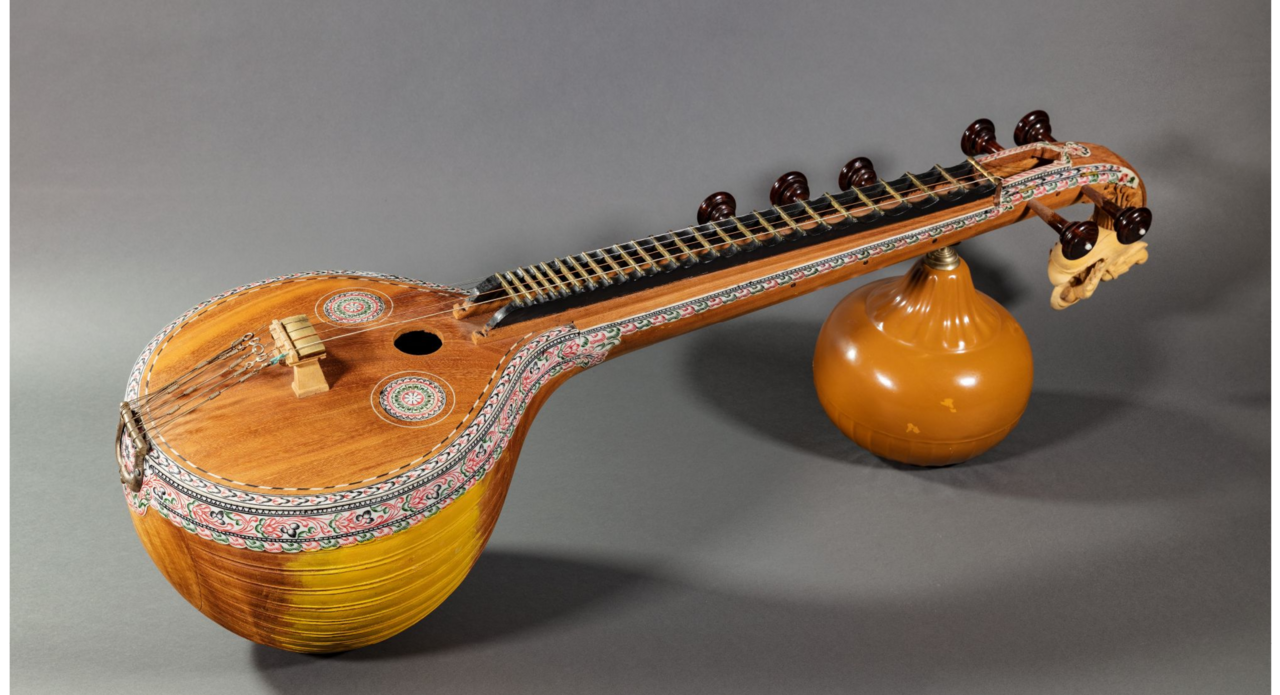
The veena (Saraswati veena) is one of the oldest plucked string instruments in Carnatic music. It has a large wooden resonator (kudam), a long fretted neck, a second gourd support, and a carved yali headstock. It is closely linked with Goddess Saraswati, knowledge and music. Playing it needs a steady hand on the strings and a good ear for gamaka (the slides and ornaments that give Carnatic music its shape).
At London Tamil Centre, classes run from Grade 1 to Diploma in Teaching. Students are trained for orchestra performances and the Academy of Fine Arts (London) examination.
வீணை (சரஸ்வதி வீணை) கர்நாடக இசையின் மிகப் பழமையான நரம்பு இசைக்கருவிகளில் ஒன்று. பெரிய மரக் குடம், நீண்ட கழுத்து, உலோகப் பட்டைகள், இரண்டாவது சுரை ஆதாரம், யாளி உருவத் தலைப்பகுதி ஆகியவை இதன் அமைப்பு. அறிவுக்கும் இசைக்கும் அதிதேவதையான சரஸ்வதி தேவியுடன் இது இணைத்துப் பேசப்படுகிறது. நரம்புகளை மீட்டி இசைப்பதற்கும், கமகங்களைத் துல்லியமாகக் காட்டுவதற்கும் பயிற்சி தேவை.
இலண்டன் தமிழ்க் கழகத்தில் வகுப்புகள் தரம் 1 முதல் ஆசிரியர் பட்டயம் வரை நடைபெறும். மாணவர்கள் இசைக்குழு நிகழ்ச்சிகளுக்கும் Academy of Fine Arts (London) தேர்வுகளுக்கும் பயிற்றுவிக்கப்படுகின்றனர்.
Violin / வயலின்
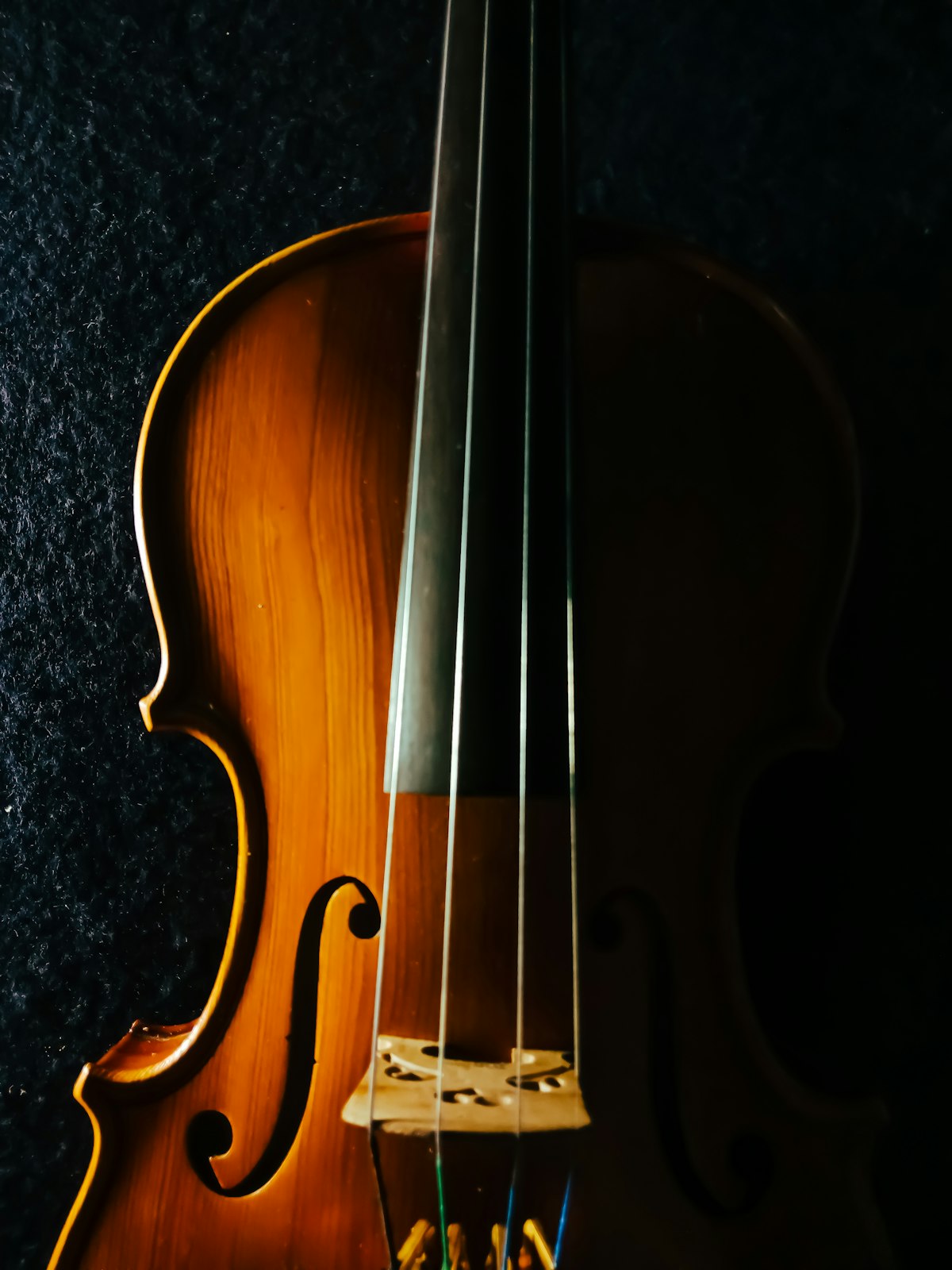
The violin is a bowed string instrument with four strings, usually tuned in fifths. In Western music it is held under the chin; in Carnatic music it is often played seated, with the scroll resting on the ankle, so the player can follow the vocalist’s pitch and gamaka closely. It is used both as a solo instrument and as the main accompaniment to voice.
About 80 students learn Carnatic violin at London Tamil Centre, from about age five through to Diploma in Teaching, with several dedicated teachers. Pupils are prepared for Academy of Fine Arts (London) examinations.
வயலின் நான்கு நரம்புகளைக் கொண்ட, வில்லினால் இசைக்கப்படும் கருவி. மேற்கத்திய இசையில் இது கழுத்தின் கீழ் வைத்து இசைக்கப்படும்; கர்நாடக இசையில் பெரும்பாலும் அமர்ந்து, தலைப்பகுதியைக் கணுக்காலில் வைத்து இசைப்பர். இதனால் பாடகரின் சுருதிக்கும் கமகத்திற்கும் நெருக்கமாக உடன் இசைக்க முடியும். தனி இசைக்கும், பாடலுக்கு உடன் இசைக்கும் முக்கிய கருவியாகவும் வயலின் பயன்படுகிறது.
இலண்டன் தமிழ்க் கழகத்தில் சுமார் 80 மாணவர்கள் ஐந்து வயது முதல் ஆசிரியர் பட்டயம் வரை கர்நாடக வயலின் கற்கின்றனர். பல ஆசிரியர்கள் Academy of Fine Arts (London) தேர்வுகளுக்கு மாணவர்களைத் தயார்படுத்துகின்றனர்.
Flute / புல்லாங்குழல்
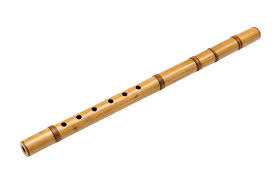
The Carnatic flute (venu / pullankuzhal) is one of the oldest wind instruments. It is usually made of bamboo, with finger holes and no keys. A player needs a fine sense of pitch, careful breath control, and regular practice to produce the gamakas of Carnatic ragas. It is linked in tradition with Lord Krishna and temple music, and it remains a popular Fine Arts subject at Tamil School.
Students are taught to the school syllabus and entered for the Academy of Fine Arts (London) examination.
கர்நாடக புல்லாங்குழல் (வேணு) மிகப் பழமையான காற்று இசைக்கருவிகளில் ஒன்று. பெரும்பாலும் மூங்கிலால் செய்யப்படும்; விரல் துளைகள் உள்ளன, மேற்கத்திய புல்லாங்குழலைப் போல் விசைகள் இல்லை. சுருதியை நுணுக்கமாகக் கேட்பதும், மூச்சைக் கட்டுப்படுத்துவதும், கமகங்களை வெளிப்படுத்துவதும் தொடர் பயிற்சியால் வரும். பாரம்பரியத்தில் கண்ணனோடும் கோயில் இசையோடும் இணைத்துப் பேசப்படும் இக்கருவி, தமிழ்ப் பள்ளியில் விரும்பப்படும் நுண்கலைப் பாடமாக உள்ளது.
மாணவர்கள் பள்ளிப் பாடத்திட்டத்தின்படி கற்பிக்கப்பட்டு Academy of Fine Arts (London) தேர்வுகளுக்குப் பதிவு செய்யப்படுகின்றனர்.
Keyboard / கீபோர்டு
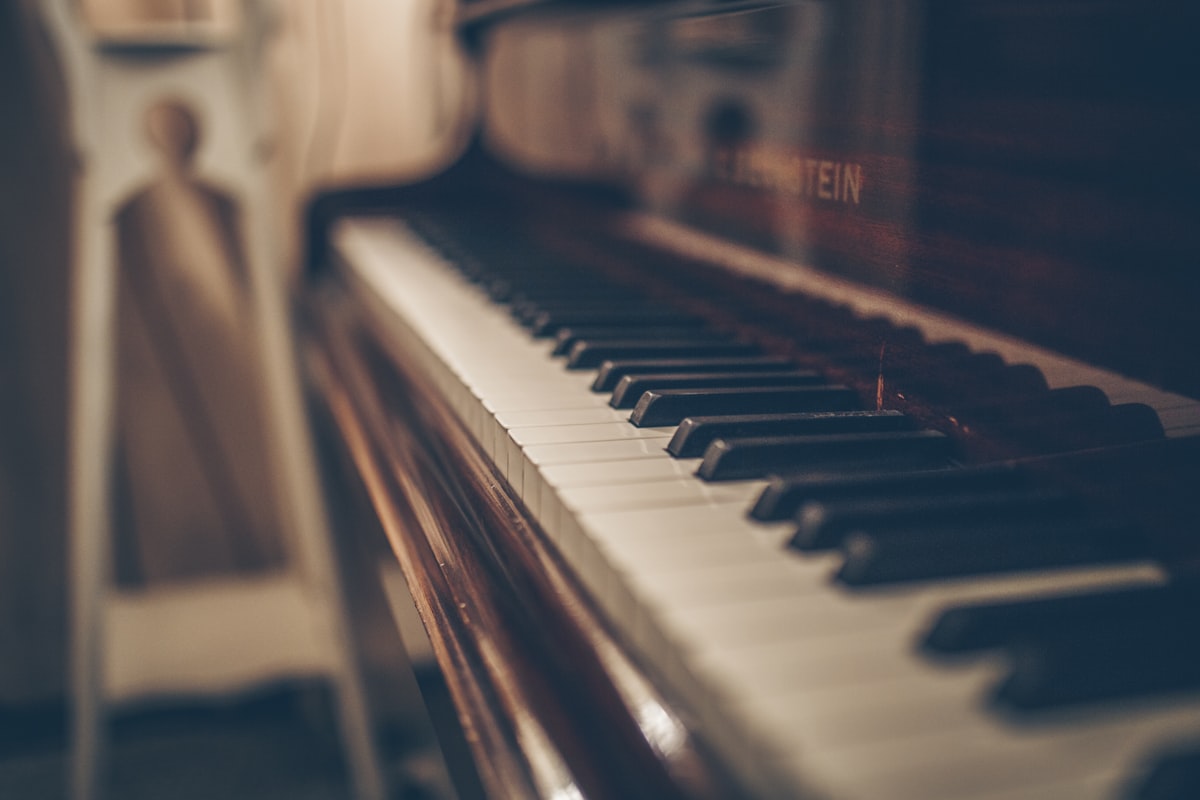
A keyboard is played with a row of keys, like a piano. At Tamil School it is one of the most requested Fine Arts subjects. It is useful for learning melody, chords and accompaniment, and it supports both Carnatic-style pieces and Western graded work. Classes run at several levels.
The syllabus is aimed at ABRSM examinations. Adult keyboard classes are also offered on Sunday mornings while children are in Tamil language class (see adult classes).
கீபோர்டு பியானோவைப் போல் விசைகளை அழுத்தி இசைக்கும் கருவி. தமிழ்ப் பள்ளியில் அதிகம் கேட்கப்படும் நுண்கலைப் பாடங்களில் இதுவும் ஒன்று. இராகம், சுரங்கள், உடன் இசை ஆகியவற்றைக் கற்க இது உதவும். கர்நாடகப் பாணி பாடல்களுக்கும் மேற்கத்திய தரநிலைப் பயிற்சிக்கும் பயன்படும். பல நிலைகளில் வகுப்புகள் நடைபெறும்.
பாடத்திட்டம் ABRSM தேர்வுகளை நோக்கி அமைந்துள்ளது. குழந்தைகள் தமிழ் வகுப்பில் இருக்கும் ஞாயிறு காலையில் பெற்றோருக்கான கீபோர்டு வகுப்புகளும் உண்டு (பெரியோர் வகுப்புகள்).
Miruthangam / மிருதங்கம்
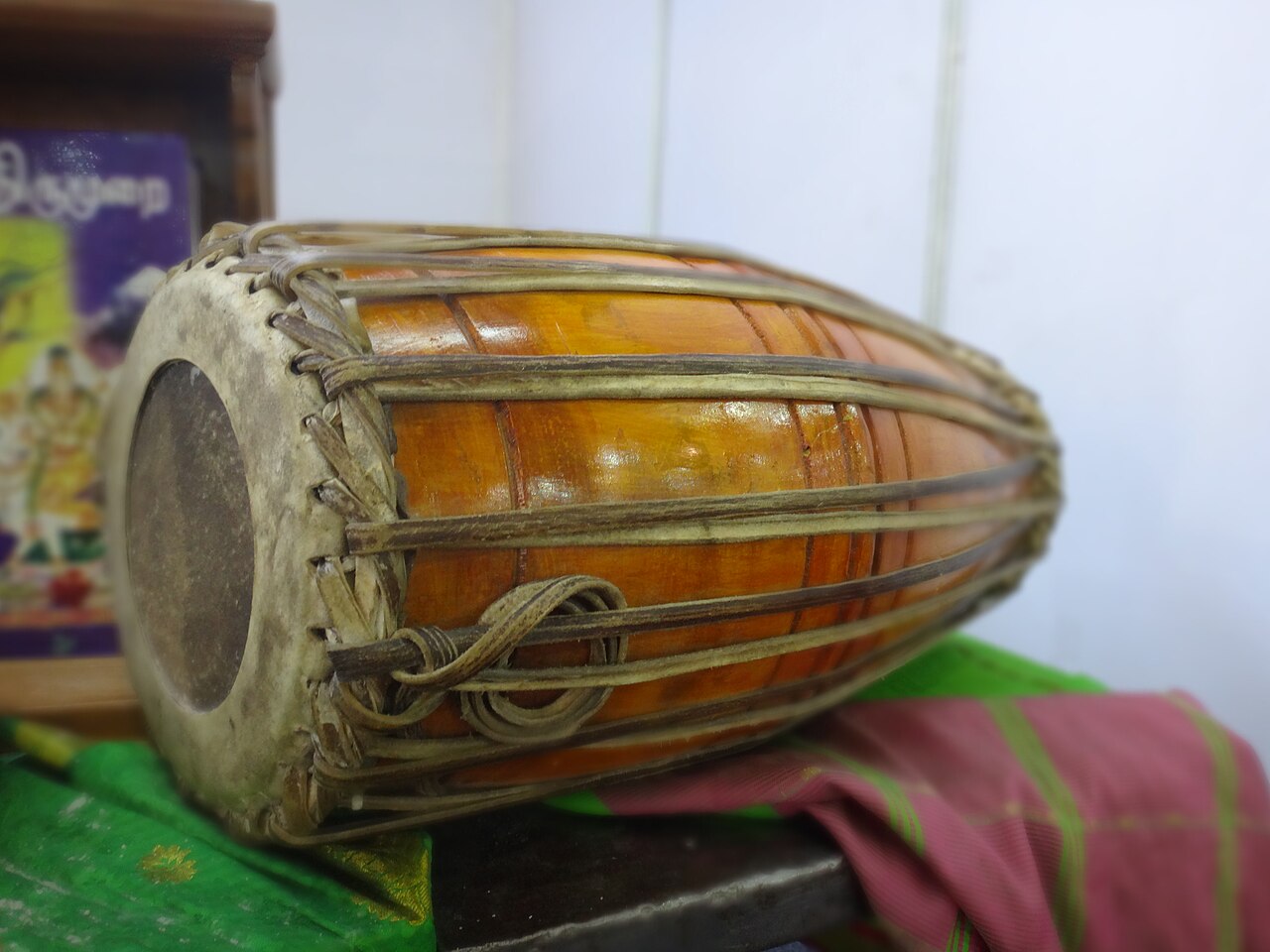
Miruthangam (mridangam) is the main percussion accompaniment in Carnatic music. The name comes from Sanskrit words for clay and body; today’s instrument is a barrel-shaped wooden drum with two playing heads. Leather straps along the body are used to tune the pitch. One head (the valanthalai) carries a black paste spot that gives the sharp strokes; the other head (thoppi) is the bass. It keeps tala (the rhythm cycle) for vocalists and other instruments.
Around 70 students learn with experienced teachers. Senior students often accompany school cultural programmes.
மிருதங்கம் கர்நாடக இசையின் முதன்மைத் தாளக் கருவி. சமஸ்கிருதத்தில் களிமண், உடல் என்ற பொருளில் பெயர் வந்தது. இன்றைய மிருதங்கம் மரத்தாலான பீப்பாய் வடிவ டிரம்; இரு பக்கங்களிலும் தோல் முகப்புகள் உள்ளன. உடலில் ஓடும் தோல் நாடாக்களால் சுருதி செய்யப்படும். ஒரு பக்கம் (வலந்தலை) கரும் பசைப் புள்ளியுடன் கூர்மையான ஒலிகளைத் தரும்; மறுபக்கம் (தொப்பி) மென்மையான பாஸ் ஒலி. பாடகருக்கும் பிற கருவிகளுக்கும் தாளத்தை இது காக்கும்.
சுமார் 70 மாணவர்கள் அனுபவமிக்க ஆசிரியர்களிடம் கற்கின்றனர். மூத்த மாணவர்கள் பள்ளியின் பண்பாட்டு நிகழ்ச்சிகளில் உடன் இசைக்கின்றனர்.